The night before your baby's first daycare day is a mix of nerves, love, and a nagging feeling that you are forgetting something important. This guide takes the guesswork out completely. Every item here is practical, relevant to South African conditions, and written for real Soweto family life — not imported advice from countries where everything gets delivered to your door.
01 — Before You Pack: Ask First
Every crèche and daycare in Soweto is different. Some provide nappies and wipes as part of their monthly fee. Others expect you to bring everything from scratch. Some have their own meals and snacks. Others need you to send a lunchbox daily.
Before you pack a single thing, call or WhatsApp the facility and ask:
- Do you provide nappies and wipes, or must I bring my own?
- Do you provide meals and snacks, or must I pack food?
- Do you have a cot/bed, or must I bring bedding?
- Is there a school bag or specific bag I should use?
- What documents do I need to bring on the first day?
- Are there any items NOT allowed at the facility?
Soweto Tip
Some home-based crèches in areas like Meadowlands and Orlando include essentials in their monthly fee. Registered ECD centres often have a specific pack list they give you when you enrol. Always get this in writing or screenshot the WhatsApp message — it saves arguments later.
02 — The Daily Bag: What Goes In Every Morning
The daily bag comes with you every morning and comes back every evening. Keep it stocked the night before so mornings are not chaotic. Here is what it should contain:
Young babies need a nappy change every 2–3 hours, which means up to 8 changes in a full day. Pack disposables in the daily bag. If your crèche provides nappies, you can still send 2–3 as a backup in case supplies run low.
Pack a travel pack of wipes and a small tube of nappy rash cream. If your baby has sensitive skin, always send your own — do not assume the facility uses a brand that agrees with your baby. Label the cream with your child's name.
Babies spill, leak through nappies, spit up, and play in ways that destroy outfits. Pack at least 2 complete changes: vest, onesie or top, pants, and socks. For winter in Soweto, add a warm sleepsuit or extra jersey. Use older clothes — not the Sunday best.
If you are breastfeeding, express and send clearly labelled bottles with your name, baby's name, and the date written with permanent marker. If using formula, either send pre-made bottles or a measured dispenser with formula and a clean bottle. Pack one extra bottle always.
A small blanket, soft toy, or even a cloth that smells like you can calm a settling baby enormously. It provides familiar sensory comfort in an unfamiliar place. Keep it small and label it clearly — these disappear easily in a busy crèche.
The Johannesburg sun is intense. If your child goes outside for any part of the day, sunscreen (SPF 30+ for kids) and a sun hat are non-negotiable. Even in winter, UV rays are strong on the Highveld. Check if the facility applies sunscreen — if not, apply it before drop-off.
Evening Routine Tip
Pack the bag the night before, not in the morning. Morning rush in Soweto — taxis, school runs, load-shedding — means things get forgotten. Keep a running checklist on your phone or on the fridge door and tick each item the evening before.
03 — The Weekly Drop-Off Bag: Leave at the Facility
Some items do not need to travel back and forth every day. These stay at the facility for the week and you top them up on Monday mornings or when needed.
- Nappy box (weekly supply) — Count 8–10 nappies per day and send a week's worth on Monday. Ask the carer to let you know when they are running low.
- Large pack of wipes — Leave a full pack at the facility for the week.
- Sleeping blanket or sleep sack — Bring a cot-sized blanket or a sleep sack for nap times. Label it. Take it home on Fridays to wash.
- Fitted cot sheet — If the facility has cots or mats, most will ask you to provide your own sheet for hygiene reasons. Wash it weekly.
- Spare nappy cream — Keep a tube at the facility permanently so there is always one available.
- Bibs (4–6) — Leave a set at the facility and take them home to wash weekly. Drooling, feeding, and teething go through bibs fast.
- Change of clothes (emergency set) — Leave a labelled spare outfit at the facility for unexpected messes beyond your daily bag supply.
04 — Food & Feeding: What to Send and How
Whether you pack food depends entirely on the facility. Some ECD centres and daycares in Soweto provide three meals a day as part of their fees. Others provide nothing. Confirm this before your first day.
Packing Food in South African Heat
Johannesburg summers are hot and load-shedding means fridge temperatures fluctuate. For young babies, always use a thermal bottle bag with an ice brick when sending expressed breastmilk or prepared formula. For toddler lunchboxes, avoid mayonnaise, dairy-heavy items, or anything that spoils quickly in the heat. Fresh fruit, pap with vegetables, hard-boiled eggs, and cheese pieces are good, safe choices.
For breastmilk bottles, label clearly: child's name · date expressed · quantity (ml). Ask the carer not to use a microwave to warm it — a warm water bath is safer and preserves nutrients.
"Label everything. Even things you think nobody would want. Someone else's baby will end up with your child's favourite blanket if you don't."
The Labelling Rule: Everything Gets a Name
- Use a permanent marker (Koki pen) on all bottles, containers, and cream tubes — include your child's name and your cell number.
- For clothing, use an iron-on name label or sew in a small fabric label. A Koki on the washing tag also works in a pinch.
- For comfort items like soft toys and blankets, tie a small fabric strip with the name written in permanent ink.
- Label the school bag itself — both the inside tag and the outside with a name tag or badge.
- Take a photo of all labelled items before the first day. If something goes missing, you have proof of what it looks like.
05 — The Bag: What Kind to Get
You do not need to spend a fortune. A good daycare bag for Soweto conditions should be:
- Wipeable on the inside — Nappy leaks happen. You want a bag you can wipe clean, not one that absorbs everything.
- Big enough — Must fit 2–3 spare outfits, nappies, wipes, bottles, and a comfort item comfortably.
- Clearly identifiable — A bright colour or unique feature helps carers quickly find your child's bag among 15 others.
- With a name tag or space for one — Stick a label or write the name directly on the bag in permanent marker.
- Zippered compartments — Separate sections for clean and soiled items keep things hygienic and organised.
Budget Tip
Pep Stores, Mr Price, and Shoprite all stock practical baby bags from around R80–R250. You do not need a designer bag. Functionality beats brand name every time. A simple Pick n Pay reusable shopping bag with labelled zip-lock pouches inside works perfectly for a home-based crèche.
06 — Documents to Bring on the First Day
Most registered ECD facilities and crèches will ask for these. Prepare copies in advance — do not hand over originals.
- Baby's birth certificate — A certified copy is usually sufficient. Keep the original at home.
- Road-to-health card (immunisation record) — The yellow booklet from the clinic. The facility needs to know your baby is vaccinated. Take a photocopy.
- Parent/guardian ID copy — Your South African ID or passport copy.
- Proof of address — A utility bill or municipal statement in your name, dated within the last 3 months.
- Emergency contact numbers — At least two numbers besides your own: a partner, family member, or neighbour who can be reached if you cannot be.
- Medical/allergy information — Write down any allergies, medical conditions, or medications in clear handwriting on a signed note. If your child takes chronic medication, bring the prescription and the medication in its original packaging.
- Signed enrolment forms — The facility should provide these. If they have not, ask for them on the first day and complete them before leaving your child.
Important
If the crèche has never asked you for any of these documents and has no enrolment form, ask why. A registered facility legally must collect this information. The absence of any documentation process can be a sign that the facility is unregistered — which affects your child's protection under the law.
07 — What NOT to Pack
Just as important as knowing what to bring is knowing what to leave at home:
- Valuables or irreplaceable items — No expensive jewellery, shoes, or clothing you cannot afford to lose or replace. Things go missing in busy crèches.
- Glass bottles — They break and create safety hazards. Use plastic or silicone bottles only.
- Sweets, chips, or sugary snacks — These cause conflict between children and are not nutritious. Most facilities discourage or ban them.
- Juice in a bottle for young babies — Water is better. Juice in a bottle damages developing teeth rapidly.
- Complicated gadgets or electronics — Baby monitors, sound machines, and similar items are not appropriate for a shared facility environment.
- Unlabelled medication — Any medication your child needs must be in its original labelled packaging with a signed written instruction from you (and ideally a doctor's note) before any carer can administer it.
Master Packing Checklist
Print or Screenshot
Daily Bag
- 6–8 nappies (disposable)
- Travel pack of wipes
- Nappy rash cream (labelled)
- 2–3 full spare outfits + socks
- Labelled milk bottles / formula
- Comfort item (blanket / toy)
- Sunscreen (SPF 30+ kids)
- Sun hat
- Dummy + spare (if used)
- Bibs (2–3)
- Sealed plastic bags (for dirty items)
- Lunchbox / food (if no meals provided)
First Day Documents
- Baby's birth certificate (copy)
- Road-to-health / immunisation card
- Parent ID copy
- Proof of address
- Emergency contacts written down
- Allergy / medical info note (signed)
- Medication in original packaging
Weekly Items (leave at facility)
- Weekly nappy supply (box)
- Large wipes pack
- Fitted cot sheet (take home to wash Friday)
- Sleep blanket or sleep sack
- Spare nappy cream tube
- 4–6 bibs for the week
- Emergency spare outfit set
The Bag Itself
- Wipeable, labelled baby bag
- Name + contact on bag
- Thermal bottle bag + ice brick
- Sealed plastic bags inside for dirty items
Labelling Check
- All bottles labelled (name + date)
- All clothing labelled inside
- Comfort item labelled
- Bag itself labelled
- Creams and containers labelled
- Photo taken of all items
You Are More Ready Than You Think
No parent feels completely ready on the first day. The bag will not be perfect. You will probably forget something — and that is okay. A good crèche carer has seen it all before and will work with what you have.
What your child needs most on that first day is not a perfectly packed bag. It is a parent who says goodbye with confidence, leaves quickly, and trusts the process. Children take their emotional cues from us. If you walk out calm and steady, your baby has a better chance of settling faster.
Pack the night before. Label everything. Go in confident. And know that thousands of Soweto parents have done exactly this — and their children turned out just fine.
Useful Contacts
- Department of Social Development (Gauteng): 011 355 7600
- City of Johannesburg (ECD queries): 011 407 6111
- National ECD Information Line: 0800 220 250 (free call)
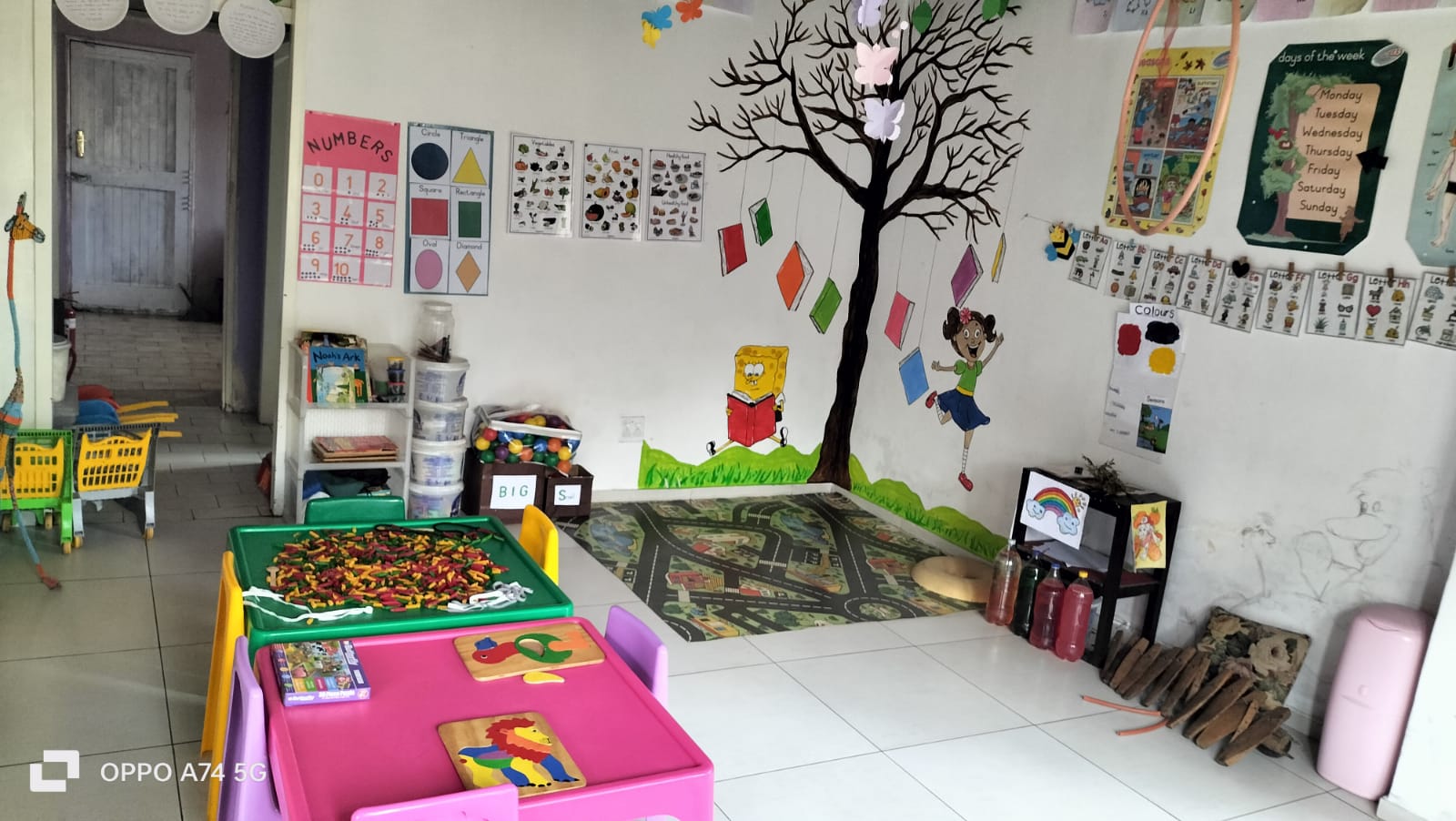
The Spongy Kids Day Care Centre provides meals and structured care for children 0–6. Contact us to learn what we provide and what to bring.
WhatsApp Enquiry